Fast-Drying Carpet Cleaning Greeley CO Benefits
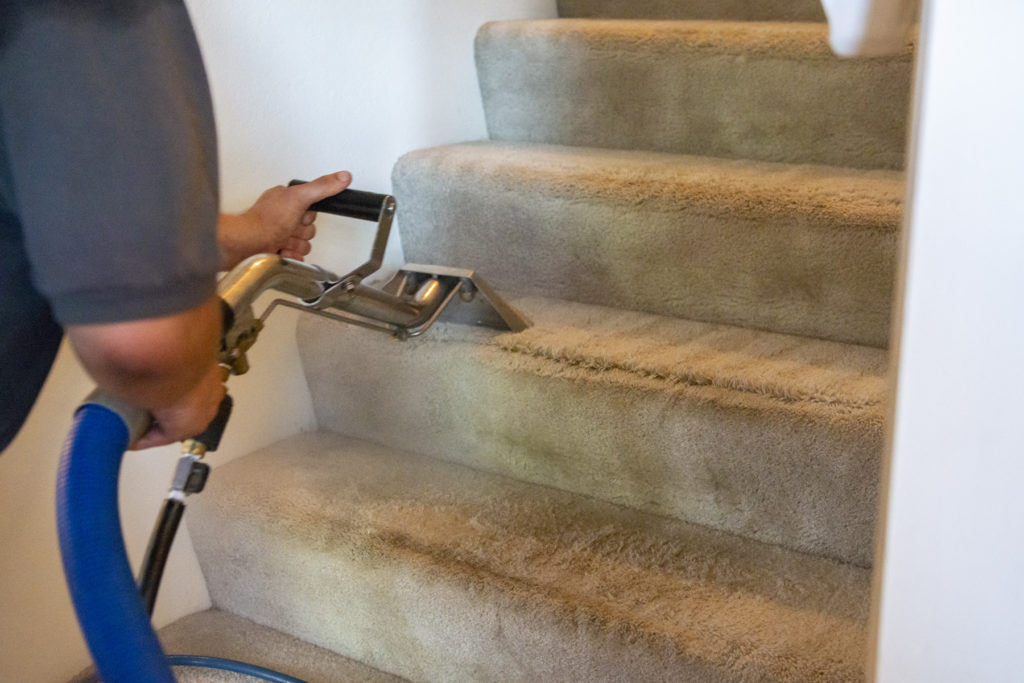

Anyone who has waited half a day, or longer, for carpet to dry understands the problem immediately. The room stays off-limits, furniture sits awkwardly in the hallway, socks come away damp, and there is always that faint worry about what might be happening underneath the surface. Fast-drying carpet cleaning solves a practical problem, but the real value goes deeper than convenience. It affects indoor air quality, wear on the carpet, scheduling, and even whether a cleaning job feels worth the disruption.
For homeowners and businesses looking into Carpet Cleaning Greeley CO services, drying time deserves far more attention than it usually gets. Most people focus on price, stain removal, and whether the carpet looks brighter afterward. Those matter, of course. But if the carpet stays wet for too long, even a visually successful cleaning can create new issues. In my experience, the best carpet cleaning results come from methods that balance thorough soil removal with controlled moisture. That is where fast-drying approaches stand out.
Why drying time matters more than most people think
A carpet is not just a fabric surface. It is a layered system. You have the visible fibers, the backing, the pad underneath in many homes, and then the subfloor below that. Every extra ounce of moisture has to move through or out of that system. If too much water goes in during cleaning, drying becomes slow and uneven. The top may feel almost dry while the lower layers remain damp for hours.
That matters because trapped moisture creates conditions nobody wants. Odors can linger. Spots can wick back to the surface. In some cases, especially in humid interiors or poorly ventilated rooms, prolonged dampness can support mildew growth. I have seen carpets that looked cleaner right after service, only to develop a musty smell by the next morning because they were left too wet. The cleaning itself was not the issue. Overwetting was.
Fast drying changes that equation. When the cleaning method uses the right amount of solution, strong extraction, and airflow support, the carpet returns to normal use much faster. That means less interruption and fewer moisture-related side effects.
In Greeley, this can be especially relevant during colder months. When outdoor temperatures drop, people keep windows closed and run heat, which can help in some ways but also reduce fresh air exchange. In summer, evaporative cooling and seasonal humidity shifts can also affect indoor drying conditions. A cleaner who understands local conditions will plan for them rather than use the same process year-round.
What fast-drying carpet cleaning usually involves
Fast-drying carpet cleaning is not one single method. It is a result. Different professionals get there in different ways, but the strongest results usually come from a combination of technique, equipment, and judgment.
Low-moisture cleaning methods are one route. These systems use less water from the start, which naturally shortens drying time. Hot water extraction can also dry quickly when performed properly, even though many people assume otherwise. The difference is in how much solution is applied, how effectively it is recovered, and whether the technician makes enough dry passes to pull out residual moisture. Good extraction equipment can remove an impressive amount of water. Weak equipment leaves it behind.
Pretreatment also plays a role. When soil is loosened efficiently before rinsing, the technician does not need to overwork the carpet with repeated wet passes. That protects the backing and speeds drying. Air movers, open interior circulation, and thoughtful room sequencing help too. Skilled cleaners often finish one room and set it up to dry while moving into the next, rather than treating the whole home as one wet zone.
The point is simple. Faster drying is usually the sign of a cleaner who knows how to control moisture, not Carpet Cleaning Greeley CO a cleaner who cuts corners.
The benefit homeowners notice first, less disruption
The most obvious advantage is the one families feel immediately. You get your space back sooner.
That matters more than it sounds. In a busy house, a long drying window can throw off the whole day. Kids run through cleaned areas before they are ready. Pets track damp fibers. Someone needs to move chairs back. Someone else wants to vacuum the next day but is not sure if the carpet is truly dry. What should feel like a fresh reset turns into a small household project.
Fast-drying service makes carpet cleaning easier to live with. Many carpets cleaned with modern low-moisture methods are dry in a few hours, sometimes less, depending on fiber type, weather, and airflow. Even with hot water extraction, a well-executed job can often be dry the same day rather than the next day. That means bedrooms can go back into use by evening, home offices do not stay displaced, and families are not tiptoeing around the house all night.
For older homeowners, or anyone with mobility concerns, this benefit is even more important. Walking cautiously on damp carpet is not ideal. Neither is navigating around fans and moved furniture longer than necessary.
Lower risk of odors, mildew, and hidden moisture issues
Long drying times create a chain reaction. First comes the damp smell. Then people try to solve it with deodorizers or by running the HVAC harder. If the pad beneath the carpet stayed wet, the odor often returns because the source was never addressed.
Fast-drying cleaning lowers that risk because it limits how long moisture remains in the system. The fibers dry faster, the backing does not stay saturated, and the pad is less likely to hold moisture. That is especially valuable in basements, shaded rooms, and homes that already struggle with airflow.
A common mistake in carpet cleaning is assuming visible dryness equals complete dryness. It does not. Carpet fibers on the surface can feel dry while deeper layers still hold moisture. When cleaning is done with better moisture control from the start, there is simply less chance of hidden dampness lingering below.
This does not mean fast-drying methods can fix every moisture problem. If a home has a leak, previous water damage, high indoor humidity, or a soaked pad from pet accidents, those conditions need separate attention. But for routine maintenance cleaning, reducing moisture load is one of the smartest preventive steps you can take.
Better stain results over the next 24 hours
People often judge carpet cleaning the moment the technician leaves. Realistically, the next day tells the fuller story.
When a carpet is overwet, stains from deep in the pile or pad can travel upward as moisture evaporates. This is called wicking, and it frustrates homeowners because the spot seems to “come back” after cleaning. In many cases, it is not that the stain was ignored. It is that too much moisture mobilized residue below the surface and then carried it back up.
Fast-drying methods can reduce this problem. Less moisture means less material moving through the carpet structure as it dries. Strong extraction helps too. So does proper spot treatment before the main cleaning. None of this guarantees that every stubborn stain disappears for good. Coffee, pet urine, old dye transfer, and some filtration lines can be difficult or permanent. But the chances of reappearing spots usually improve when moisture is kept under control.
I have seen this firsthand in family rooms where repeated DIY shampooing made stains worse over time. The carpet looked cleaner for a few hours, then traffic lanes and old spill marks rose back up. Once the cleaning process shifted to a lower-moisture, better-extraction approach, those recurring issues became much easier to manage.
A healthier approach for homes with kids and pets
Families with children and pets tend to need carpet cleaning more often, which makes the drying question even more important. Kids sit on the floor. Dogs sprawl across the living room carpet the minute the room opens back up. Cats find the one damp corner no one noticed.
A carpet that dries quickly is easier to protect after cleaning and easier to return to everyday use without worry. It also reduces the chance that paws or socks pick up residues from an incompletely extracted cleaning solution. That is one reason reputable professionals emphasize rinse quality and recovery, not just fragrance or visual brightness.
For homes dealing with recurring pet accidents, fast drying is not a substitute for odor treatment or sub-surface remediation when needed. If urine has penetrated into the pad, a surface cleaning alone will not solve the full problem. But as part of regular maintenance, quicker drying does help prevent fresh cleaning moisture from interacting with old contamination and reactivating odor.
Why businesses in Greeley often prefer fast-drying service
Commercial spaces feel the cost of downtime more directly than homes do. A damp carpet in a waiting area, office suite, retail space, or church hallway is more than inconvenient. It affects safety, access, and appearance.
That is why many businesses specifically ask about drying time when hiring Carpet Cleaning Greeley CO providers. They need work done around operating hours. They want minimal disruption for staff and visitors. They need the carpet to look clean without turning the building into a maze of fans and caution signs for the next twelve hours.
Fast-drying cleaning works well in these settings because it supports practical scheduling. Evening cleanings can often be ready for morning traffic. Occupied office areas can be handled in sections. Seasonal mud and salt buildup can be removed without shutting down operations for long stretches.
There is another business advantage that gets overlooked: appearance consistency. In customer-facing spaces, carpets that stay damp too long can develop traffic tracking quickly as people walk across semi-dry areas. Faster drying helps preserve the fresh, even look that the business paid for.
Carpet longevity and the role of controlled moisture
Carpet wears out from more than footsteps. Soil abrasion, improper cleaning, residue buildup, and chronic overwetting all shorten its life.
When too much water is used repeatedly, the backing and adhesive systems can be stressed over time. Seams may become more vulnerable. In some cases, rippling can occur, especially if installation quality was marginal to begin with. Fast-drying methods are not just about speed. They are often gentler on the carpet because they avoid unnecessary saturation.
This matters if you are trying to protect a significant flooring investment. Replacing carpet across an entire home is expensive. Even midrange carpet and pad for several rooms can run into the thousands once removal, installation, and furniture moving are factored in. Routine maintenance that cleans effectively without overloading the carpet with water helps that investment last longer.
That said, dry time should not be pursued at the expense of actual soil removal. A carpet that dries in one hour but still contains embedded grime, oily traffic buildup, or detergent residue is not truly clean. The right target is efficient cleaning with responsible moisture use. The best professionals do not treat speed as a gimmick. They treat it as part of a balanced process.
What to ask before hiring a carpet cleaner
If you are comparing providers, a few practical questions can reveal a lot about how they work. You do not need technical jargon. You just need clear answers.
- How long should the carpet take to dry in my home or business?
- What cleaning method do you recommend for this carpet and why?
- How do you prevent overwetting and wick-back?
- Do you use strong extraction and dry passes?
- What should I do after the service to help the carpet dry properly?
Good cleaners will answer directly, with context. They will not promise the exact same dry time for every home because that would not be honest. Fiber type, pad thickness, room temperature, humidity, and soil level all matter. But they should be able to give a reasonable range and explain what affects it.
Be cautious with anyone who is vague about the process or treats long dry times as normal no matter the circumstances. Some heavily soiled carpets do need more intensive treatment, and dry time can extend in those cases. Still, a professional should be thinking actively about moisture control, not shrugging it off.
The Greeley factor, climate, dust, and seasonal wear
Greeley homes and businesses deal with a mix of conditions that shape carpet care. Wind and dry dust can work their way into fibers and traffic lanes. Snow, slush, and de-icing residue create seasonal messes. Agricultural and industrial activity in the wider region can also add to the amount of fine particulate people track indoors. All of that means carpets often need regular, competent maintenance rather than occasional cosmetic cleaning.
Fast-drying methods fit this environment well because they make recurring service easier to schedule and easier to tolerate. If you know the carpet will not stay wet all day, you are more likely to clean it before the buildup becomes severe. That matters. Light to moderate soil is usually easier to remove thoroughly than heavy, neglected accumulation. Waiting too long often leads to more aggressive cleaning needs, and more aggressive cleaning can increase moisture use.
There is a practical rhythm that works well for many properties. Clean high-traffic areas before they look visibly dirty. Address entryways and family rooms more often than formal spaces. Use mats and regular vacuuming to reduce grit. Then bring in a professional who can clean thoroughly without leaving the carpet soaked.
How to help carpets dry faster after professional cleaning
Even the best service benefits from a little cooperation from the property owner. Drying is a shared outcome. The cleaner controls technique and equipment, but the environment matters too.
- Keep air moving with the HVAC fan, ceiling fans, or approved air movers if recommended.
- Avoid closing up the room completely right after cleaning.
- Wait the advised amount of time before replacing furniture pads or area rugs.
- Limit foot traffic until the carpet is mostly dry, especially with bare feet or dirty shoes.
- Report any areas that still feel unusually damp after the expected dry window.
These steps are simple, but they make a real difference. One of the most common setbacks I see is a freshly cleaned room being shut tight for hours with no air circulation. Another is furniture being placed back too soon, trapping moisture in small zones beneath legs and bases.
If a cleaner gives you specific post-care instructions, follow them. They are usually tailored to the method used in your home.
Fast drying is not always the only priority
There are situations where the fastest possible dry time should not be the sole goal. Severely soiled carpet may need more flushing and extraction. Certain restorative jobs require extra treatment steps. Some specialty fibers demand a more cautious approach. A reputable technician will not chase a marketing claim if the carpet needs something different.
This is where experience matters. The right question is not, “What is the fastest method available?” It is, “What method will clean this carpet properly and still dry in a reasonable time?” Sometimes that points to low-moisture encapsulation. Sometimes it points to hot water extraction with disciplined moisture control. Sometimes a combination makes sense in different areas of the same property.
That kind of judgment separates professionals from one-size-fits-all service providers.
Choosing results you can live with
Clean carpet should feel like an improvement the same day, not a temporary inconvenience you have to work around until tomorrow. That is the real appeal of fast-drying carpet cleaning. It respects the space, the people using it, and the carpet itself.
For homeowners, that means less disruption, fewer moisture-related problems, and a better chance that stains stay gone. For businesses, it means shorter downtime, safer walkways, and a cleaner appearance that holds up after the crew leaves. For both, it often means a smarter cleaning process overall.
If you are evaluating Carpet Cleaning Greeley CO options, pay attention to drying time not as a sales phrase, but as a sign of method quality. Ask how the cleaner manages moisture. Ask what results to expect in your specific setting. The best answers are usually practical, measured, and rooted in experience.
A carpet does not need to stay wet to get clean. In many cases, the opposite is true. The cleaners who understand that tend to deliver the kind of results people actually want, fresh, usable rooms, clean fibers, and no long wait for normal life to resume.
TLC Carpet & Air Duct Cleaning
6380 W 10th St, Suite 7
Greeley, CO 80634
(970) 352-8176
FAQ About Carpet Cleaning Greeley CO
How much should a carpet cleaner cost in Greeley?
Pricing depends on the number and size of rooms, carpet condition, and add-ons such as stain treatment or stairs. Ask for an itemized quote.
How long will my carpet take to dry after cleaning?
Drying time varies with the carpet, cleaning method, humidity, and airflow. Ask the technician for an estimate and when to move furniture back.
How do I prepare my home for carpet cleaning?
Pick up small items, clear a path for equipment, and point out stains or delicate fibers. Ask the cleaner which furniture they can move and what needs to be moved before the visit.